


Raising egg-laying chickens has become a popular choice for families and homesteaders alike. From the promise of fresh eggs to the joy of connecting with nature, keeping chickens offers a blend of practicality and personal satisfaction. However, raising chickens requires thoughtful planning, time, and effort.
 By understanding these costs, you can create a plan that fits your budget while enjoying fresh eggs and your chickens.
 Whether for fresh food, environmental benefits, or personal joy, raising chickens enriches your life.
 Owning egg-laying chickens is a rewarding journey, from enjoying fresh eggs to embracing a more sustainable and fulfilling lifestyle. By understanding the financial investment and the responsibilities involved, you can confidently start your backyard flock and create a little piece of rural charm.
The Cost of Owning Laying Chickens
By understanding these costs, you can create a plan that fits your budget while enjoying fresh eggs and your chickens.
Initial Costs
-
Coop and enclosure setup
-
Feeding and watering equipment
-
Purchasing chickens (chicks vs. pullets vs. hens)
Ongoing Expenses
-
Feed and supplements
- Oyster shell: Provides calcium for strong eggshells. If your feed already includes calcium, additional oyster shell may not be necessary.
- Grit: Essential for digestion since chickens use grit to grind food in their gizzards. Free-range chickens often find natural grit, but for confined flocks, providing store-bought grit is a must.
- Treats: Items like mealworms or kitchen scraps can be given as occasional treats, but these should not replace a balanced feed.
-
Bedding materials
-
Veterinary care and vaccinations
-
Miscellaneous costs
Long-Term Considerations
- Replacement costs for aging chickens: Hens consistently lay during their first two to three years. After that, egg production slows. You’ll need to replace older chickens with younger ones periodically, which can add $5–$25 per pullet or hen every few years.
- Cost of maintaining a healthy flock: This includes replacing worn-out feeders, upgrading enclosures, or reinforcing coops against predators. Depending on your setup and flock size, these expenses can range from $50 to $200 annually.
How much does it cost monthly to raise chickens?
The monthly cost of raising backyard chickens varies, but a typical range is $25–$50. This includes feed ($2–$3 per chicken, totaling $15–$30 for a small flock), bedding ($5–$10), and miscellaneous expenses ($5–$20). Larger flocks or higher-quality supplies increase costs, so it’s important to budget according to your flock’s size and needs.How many chickens should a beginner start with?
For beginners, starting with 3–6 chickens is a good range. This provides enough birds for a steady supply of eggs without being overwhelming to care for. Chickens are social animals, so having at least three ensures they thrive in a flock.How many chickens do I need for a dozen eggs a week?
Each hen lays between 2–6 eggs per week, depending on the breed, age, and individual health. To consistently get a dozen eggs weekly, you’ll need at least 3–6 hens. If egg production is your primary goal, consider high-producing breeds like Leghorns, Rhode Island Reds, or Australorps, which can lay closer to the higher end of this range. It's also worth noting that egg size varies by breed, so a dozen from larger breeds like Jersey Giants might weigh more than those from smaller breeds like Silkies. Choosing the right breeds will make sure you have enough eggs to meet your expectations.The Benefits of Raising Chickens
Whether for fresh food, environmental benefits, or personal joy, raising chickens enriches your life.
Fresh Eggs
- Farm-fresh eggs are often richer in nutrients like omega-3 fatty acids and vitamin D than store-bought ones. Their yolks often have greater density, meaning fewer broken yolks when cooking. Plus, farm-fresh eggs typically have thicker shells, which means fewer accidental breaks and a longer shelf life.
- When you control what your chickens eat, you keep their eggs free from unwanted chemicals or additives. Using high-quality chicken feed or allowing your chickens to forage in your yard, you’ll know exactly where your food comes from.
Sustainability and Environmental Impact
- Chicken manure is a natural, nutrient-rich fertilizer that will do wonders for your garden. Properly composting it creates a sustainable cycle, turning waste into healthy plants.
- Chickens are natural recyclers and help reduce food waste by eating scraps (like vegetable peels and stale bread). This cuts down on your trash, reduces what goes into the landfill, and provides your chickens with a diverse diet.
- Chickens improve your yard by eating pests (like bugs and weeds) and naturally aerating the soil as they scratch.
Personal Enjoyment and Mental Health
- Caring for chickens is more than a chore – it’s a therapeutic, fulfilling experience. Many find it a calming activity that reduces stress and promotes mindfulness. Plus, the daily routine of tending to them offers a rewarding sense of purpose.
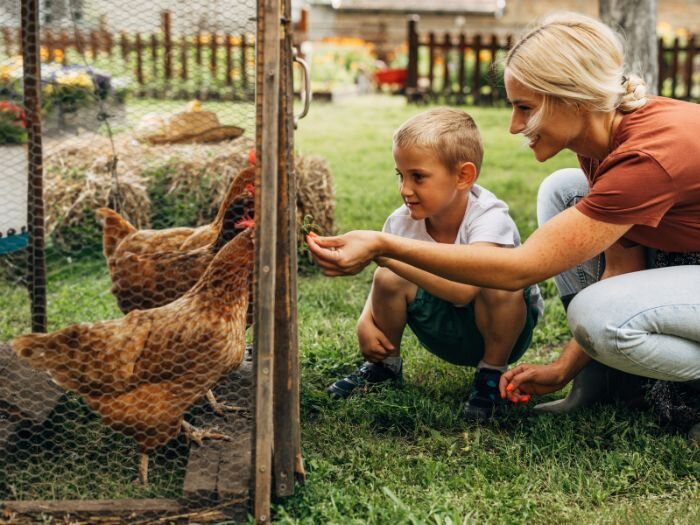
- Chickens make great additions to a family. Kids love learning about where their food comes from, and caring for a flock teaches responsibility and patience. From naming hens to building coops together, chickens bring families closer while offering hands-on learning experiences.
The Challenges of Raising Chickens
Raising egg-laying chickens comes with challenges, but you can manage these obstacles with proper planning and dedication.Space and Zoning Restrictions
Before starting your flock, it’s essential to check local zoning regulations. Some neighborhoods have restrictions on backyard chickens, including limits on flock size or prohibiting roosters. Additionally, chickens need sufficient space to roam and stay healthy. They’ll need a minimum of 2–3 square feet per bird inside the coop and 8–10 square feet in the run. Tight quarters will lead to stress and health issues, so planning ahead is key.Time Commitment for Daily Care
Chickens require consistent care. From feeding and watering to collecting eggs and cleaning the coop, tending to your flock can take 15–30 minutes daily. While this routine becomes second nature over time, it’s worth considering whether your schedule allows for the daily attention chickens need. Keep in mind during vacations or busy times, you’ll need a trusted friend or neighbor to help out.Chickens in the Garden
While chickens can be great for pest control, they can make a mess in your garden if left unchecked. Their natural scratching and pecking often leads to dug-up plants, scattered soil, and damaged vegetable beds. To prevent this, consider fencing off your garden or providing a designated foraging area for your flock. You can balance your chickens’ benefits with protecting your plants with proper boundaries.Predator-Proofing and Weather-Proofing the Coop
Predators like raccoons, foxes, and hawks pose a constant threat to chickens. Building a predator-proof coop with sturdy locks, reinforced wire, and secure fencing is non-negotiable. Likewise, weather-proofing the coop keeps your flock comfortable year-round. Insulation, proper ventilation, and protection from rain or snow keep chickens safe and healthy, no matter the season. Check out the following guides to help with weather-proofing your chicken coop and other seasonal needs:- How to Keep Your Chickens Warm During the Winter
- Raising Chickens in the Spring
- Keeping Chickens Cool In Summer
- Keeping and Raising Chickens in the Fall
Are egg-laying chickens worth it?
Owning egg-laying chickens is a rewarding journey, from enjoying fresh eggs to embracing a more sustainable and fulfilling lifestyle. By understanding the financial investment and the responsibilities involved, you can confidently start your backyard flock and create a little piece of rural charm.
Orders
Services
About
Your Wilco Store

Store Hours
Monday to Saturday:
8 a.m. to 8 p.m.
Sunday: 9 a.m. to 6 p.m.

Need Help?
For questions or help with online orders call: (888) 78-WILCO
Limited to stock on hand. Some items may vary from photos. Because of store size limitations or geography, some items featured may not be available in all stores but will be made available by special order during sale periods at advertised prices. All sale prices listed as “dollars off” or “% off” are discounted from our regular posted shelf price, not from discounts given with specialty, bulk or pallet pricing. Reseller and Drop-shippers must contact us for pre-approval to place orders with the intent to re-distribute.
© 2025, Wilco Farm Store